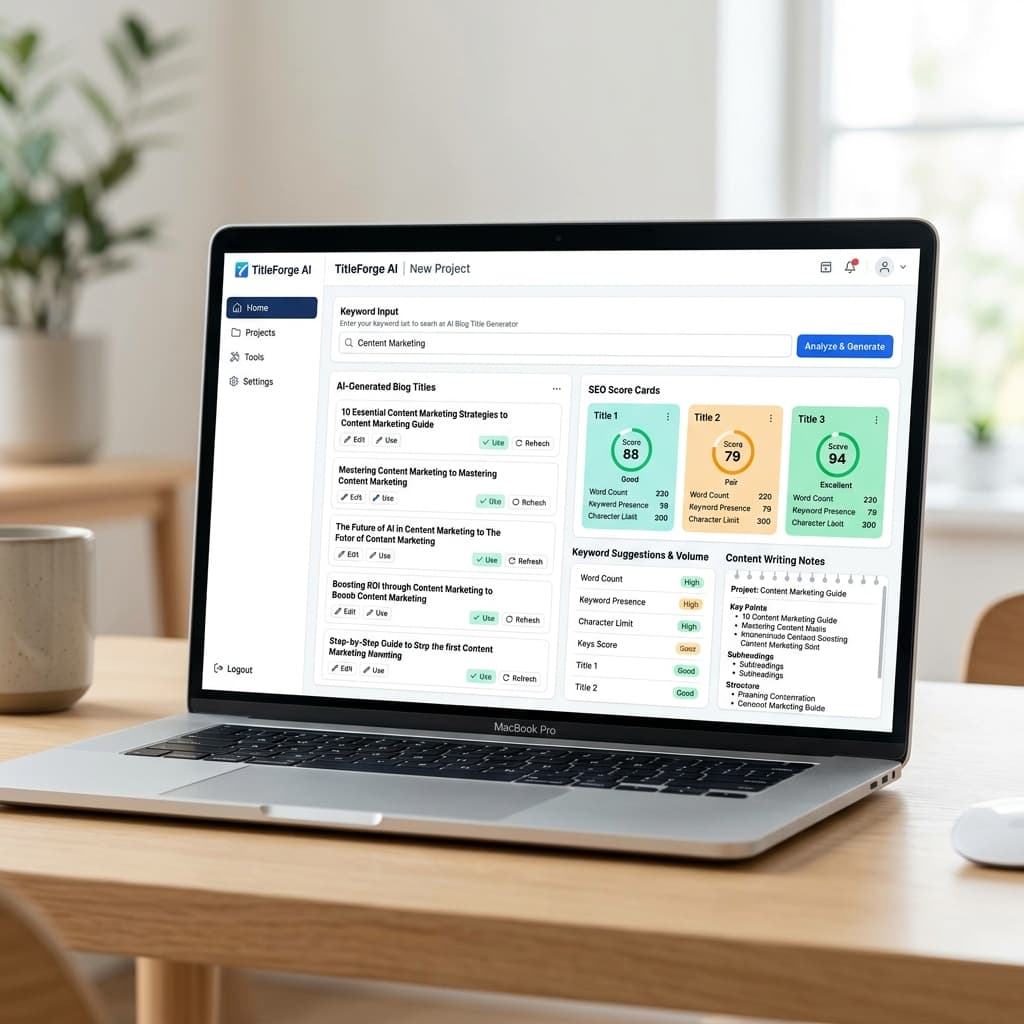
What Is a Blog Outline Generator?
A Blog Outline Generator is a tool that helps writers plan an article before writing the full draft. It creates a structured outline with a title, introduction angle, H2 headings, H3 subheadings, key points, FAQs, keyword ideas, and internal link suggestions.
A good outline is like a map. Without it, your article can become messy, repetitive, or incomplete. With a clear outline, you know exactly what to write, which sections to include, and how to satisfy the reader’s search intent.
For example, if your topic is “Best AI Tools for Students,” a weak outline may look like this:
Intro
AI tools
Benefits
Conclusion
This is too thin. A better outline would include:
- H1: Best AI Tools for Students in 2026
- H2: What Are AI Tools for Students?
- H2: Why Students Use AI Tools
- H2: Best AI Writing Tools for Students
- H2: Best AI Research Tools for Students
- H2: Best AI Study and Note-Taking Tools
- H2: Free vs Paid AI Tools for Students
- H2: How to Choose the Right AI Tool
- H2: FAQs
- H2: Final Verdict
This structure is more useful because it covers the topic properly.
Why Blog Outlines Matter for SEO
Blog outlines matter because they help you create organized, helpful, and search-focused content. Search engines try to understand whether your page answers the user’s query. A clear article structure makes that easier.
A strong outline helps with:
- Better content flow
- Improved readability
- Stronger SEO structure
- Better use of H2 and H3 headings
- Easier keyword placement
- More complete topic coverage
- Faster writing
- Better FAQ planning
- Stronger internal linking
In my opinion, most weak blog posts fail before the writing even starts. The topic may be good, but the structure is poor. The article jumps from one idea to another without a path.
A Blog Outline Generator helps fix this by turning a broad topic into a structured plan.
How Our Blog Outline Generator Works
The Realaiva Blog Outline Generator should be built for SEO writers, bloggers, students, marketers, and website owners.
A useful version should include:
- Topic input
- Focus keyword input
- Target audience selector
- Article type selector
- Search intent selector
- Word count target
- Tone selector
- H2/H3 generator
- FAQ generator
- Internal link suggestions
- Image placement suggestions
- Meta title suggestion
- Meta description suggestion
- Content brief export
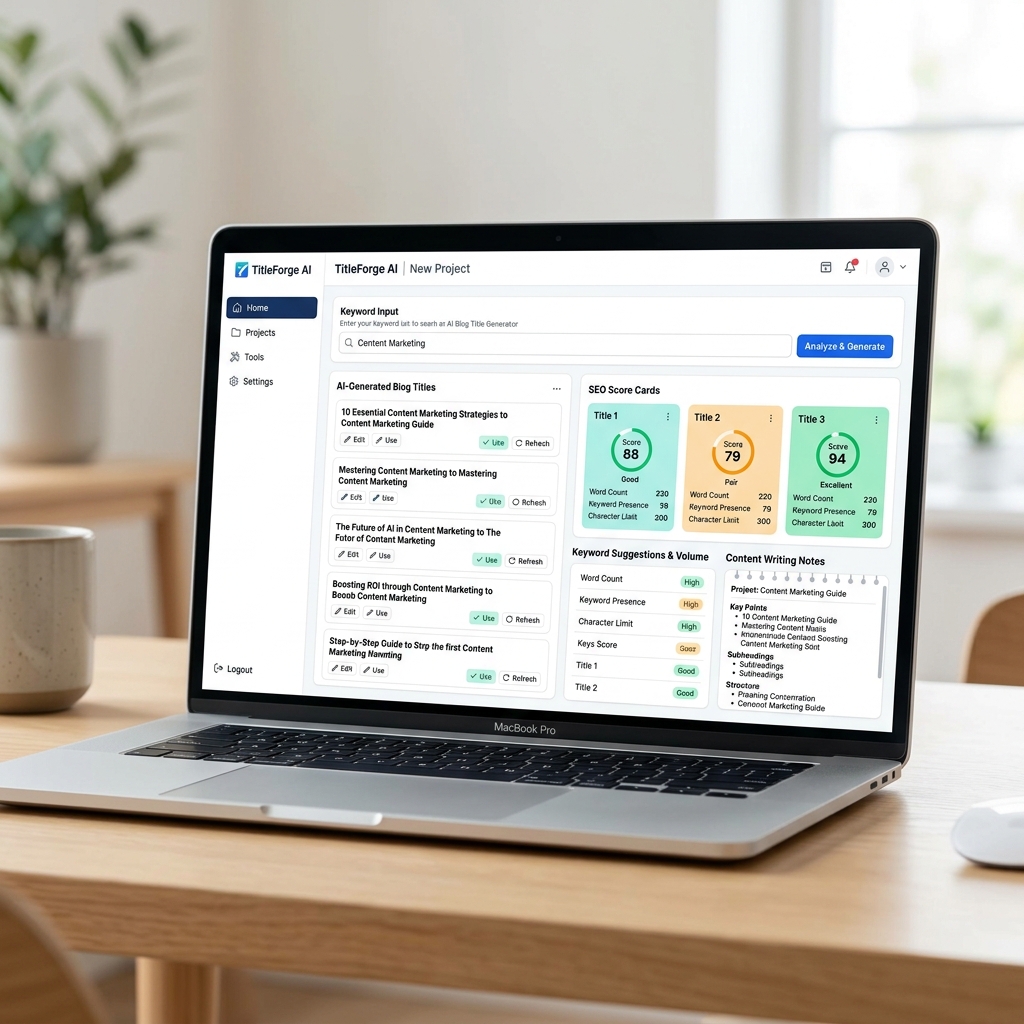
A Blog Outline Generator helps writers organize articles before drafting.
Example user input:
- Topic: AI tools for digital marketing
- Focus Keyword: AI tools for marketing
- Audience: Beginners
- Article Type: Listicle
- Word Count: 1,500 words
Possible output:
H1: Best AI Tools for Marketing in 2026
H2: What Are AI Tools for Marketing?
H2: Why Marketers Use AI Tools
H2: Best AI Tools for SEO
H2: Best AI Tools for Email Marketing
H2: Best AI Tools for Social Media
H2: Best AI Tools for Content Writing
H2: Free vs Paid AI Marketing Tools
H2: How to Choose the Right AI Marketing Tool
H2: FAQs
H2: Final Verdict
This gives the writer a clear structure before drafting.
Who Should Use This Tool?
This Blog Outline Generator is useful for:
- Bloggers
- SEO writers
- Affiliate marketers
- Students
- Content agencies
- WordPress website owners
- AI content creators
- YouTubers repurposing videos into blogs
- Small business owners
- Digital marketers
- Niche site builders

A strong outline makes blog writing faster, clearer, and more focused.
For Realaiva, this tool is especially useful because your website depends heavily on SEO articles. If you publish AI tool reviews, list posts, comparison posts, and educational guides, you need strong outlines.
A Blog Outline Generator can also connect naturally with your other tools. After users create an outline, they may need a blog title, meta description, keyword density check, image prompts, and Pinterest pin titles.
13 Powerful Steps to Create a Better Blog Outline
- Start With Search Intent: Before writing an outline, understand why the user is searching. Search intent can be: Informational, Commercial, Transactional, or Navigational. For example, someone searching “what is keyword density” wants information. Someone searching “best keyword density checker” may want a tool. Your outline should match that intent.
- Choose One Main Focus Keyword: Every article should have one primary focus keyword. Example: “Blog Outline Generator”. This keyword should appear in the SEO title, URL, meta description, intro, subheading, image alt text, and body content.
- Create a Clear H1: Your H1 should explain the article topic clearly. Example: “Blog Outline Generator: 13 Powerful Steps to Plan Better Articles”. This title includes the focus keyword, number, power word, and benefit.
- Plan the Introduction: The introduction should quickly explain the problem and promise a solution. For this article, the problem is simple: many writers start writing without structure and end up with weak content.
- Add Logical H2 Sections: H2 headings should break the article into clear sections. Good H2 examples: What Is a Blog Outline Generator?, Why Blog Outlines Matter for SEO, How to Create a Blog Outline, Blog Outline Examples, and FAQs.
- Use H3s for Detail: H3 headings help explain subtopics under bigger sections. Example:
H2: How to Create a Blog Outlinefollowed byH3: Choose a Focus Keyword,H3: Understand Search Intent, etc. - Add Examples: Examples make the article more useful. A Blog Outline Generator should include sample outlines for different article types.
- Include FAQs: FAQs help answer related user questions. They also improve content depth. Good FAQs for this topic include: What is a blog outline?, How long should a blog outline be?, Does a blog outline help SEO?, and Can AI create blog outlines?
- Plan Internal Links: Before writing, decide where internal links should go. For example, this article can link to: AI Blog Title Generator, Meta Description Generator, Keyword Density Checker, and AI Prompt Generator. Internal links help users discover related content and help search engines understand your site structure.
- Add Image Placement: A strong outline should include image suggestions. Example: Image after introduction (tool dashboard), Image after SEO section (content planning workspace), and Image before FAQs (outline example illustration).
- Add a Final Verdict Section: The final verdict should summarize the article and give a clear opinion. This helps the article feel human, not just informational.
- Check Content Length: Your outline should match the target word count. A 600-word article needs fewer sections. A 2,000-word article needs deeper coverage.
- Review Before Writing: Do not treat the generated outline as final. Review it, remove weak sections, add missing points, and make it match your audience.
Blog Outline Examples
Here are three examples of blog outlines for different content formats:

SEO-friendly outlines include search intent, subheadings, examples, and FAQs.
- Example 1: Tool Page Article
Focus Keyword: Meta Description Generator
H1: Meta Description Generator: 11 Powerful Ways to Improve SEO Clicks
H2: What Is a Meta Description Generator? | H2: Why Meta Descriptions Matter | H2: How the Tool Works | H2: Best Practices | H2: Meta Description Examples | H2: Common Mistakes | H2: FAQs | H2: Final Verdict - Example 2: Listicle Article
Focus Keyword: Best AI Tools for Students
H1: Best AI Tools for Students in 2026
H2: What Are AI Tools for Students? | H2: Why Students Use AI Tools | H2: Best AI Writing Tools | H2: Best AI Research Tools | H2: Best AI Study Tools | H2: Free vs Paid Tools | H2: How to Choose | H2: FAQs - Example 3: How-To Article
Focus Keyword: How to Write Blog Titles
H1: How to Write Blog Titles That Get More Clicks
H2: Why Blog Titles Matter | H2: What Makes a Good Blog Title? | H2: Blog Title Formulas | H2: Examples | H2: Mistakes to Avoid | H2: FAQs
Common Blog Outline Mistakes
One common mistake is making the outline too broad. If the outline tries to cover everything, the article becomes unfocused.
Another mistake is ignoring search intent. If users want a tool, do not give them only theory. If users want a guide, do not give them only a short answer.
A third mistake is using too many similar headings. For example: H2: Benefits, H2: Advantages, and H2: Why It Is Good. These sections overlap and should be merged.
Another mistake is not adding examples. Examples make content more practical and human.
A final mistake is writing without internal links. Internal links help build topical authority and guide users to related pages.
Final Verdict
A Blog Outline Generator is one of the most useful tools for writers, bloggers, students, marketers, and SEO content creators. It helps turn a messy idea into a clear article structure.
My honest opinion is that every serious blog post should start with an outline. Writing without an outline is like building a website without a layout. You may finish it, but it will probably feel messy.
For Realaiva, this tool can become a strong part of your AI writing tools cluster. It connects naturally with your AI Blog Title Generator, Meta Description Generator, Keyword Density Checker, and AI Prompt Generator.
The best outline does not just list headings. It guides the writer from search intent to final answer.